Every December, markets enter a peculiar phase. Liquidity thins, trading desks quieten, sentiment shifts, and yet, historically, a surprising pattern often emerges. Markets drift higher. This recurring behaviour is known as the Santa Rally, and while the name is festive, the phenomenon is grounded in decades of market data, behavioural tendencies, and structural flows. In […]
December is one of the most unique months in the trading calendar. With thinner liquidity, shifts in market behaviour, and year-end flows shaping price action, traders need to stay sharp and structured.
Every trader has a few dates they circle on the calendar each month. For many, the first Friday sits right at the top of that list. That is when the US Non-Farm Payrolls (NFP) report is released, and it often dictates the mood of global markets for days afterward. Even if you do not trade US equities or the dollar directly, you still feel the ripple effect. NFP has a way of pulling the wider market into alignment because the labour market is one of the cleanest windows into the real economy. When hiring strengthens, it carries a message. When it weakens, that message becomes even louder.
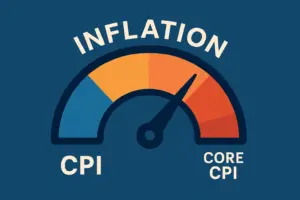
Inflation is a driver of markets. When new inflation numbers come out each month, traders of currencies, stocks, bonds and commodities all pay attention. A sudden rise or fall in inflation can quickly change expectations for interest rates and move markets.
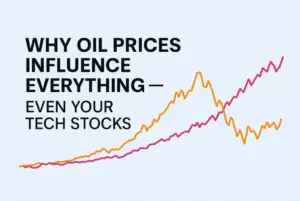
Oil is often called the heartbeat of global activity. It underpins around 3% of global GDP and is found “in everything from personal protective equipment, plastics, chemicals and fertilisers through to … fuel for transportation”.